Landscapes8 min read
Ten natural landscapes that impress with their diversity
From tundra to mangrove: ten types of natural landscape, what defines them, and what to look for in each one during a visit.
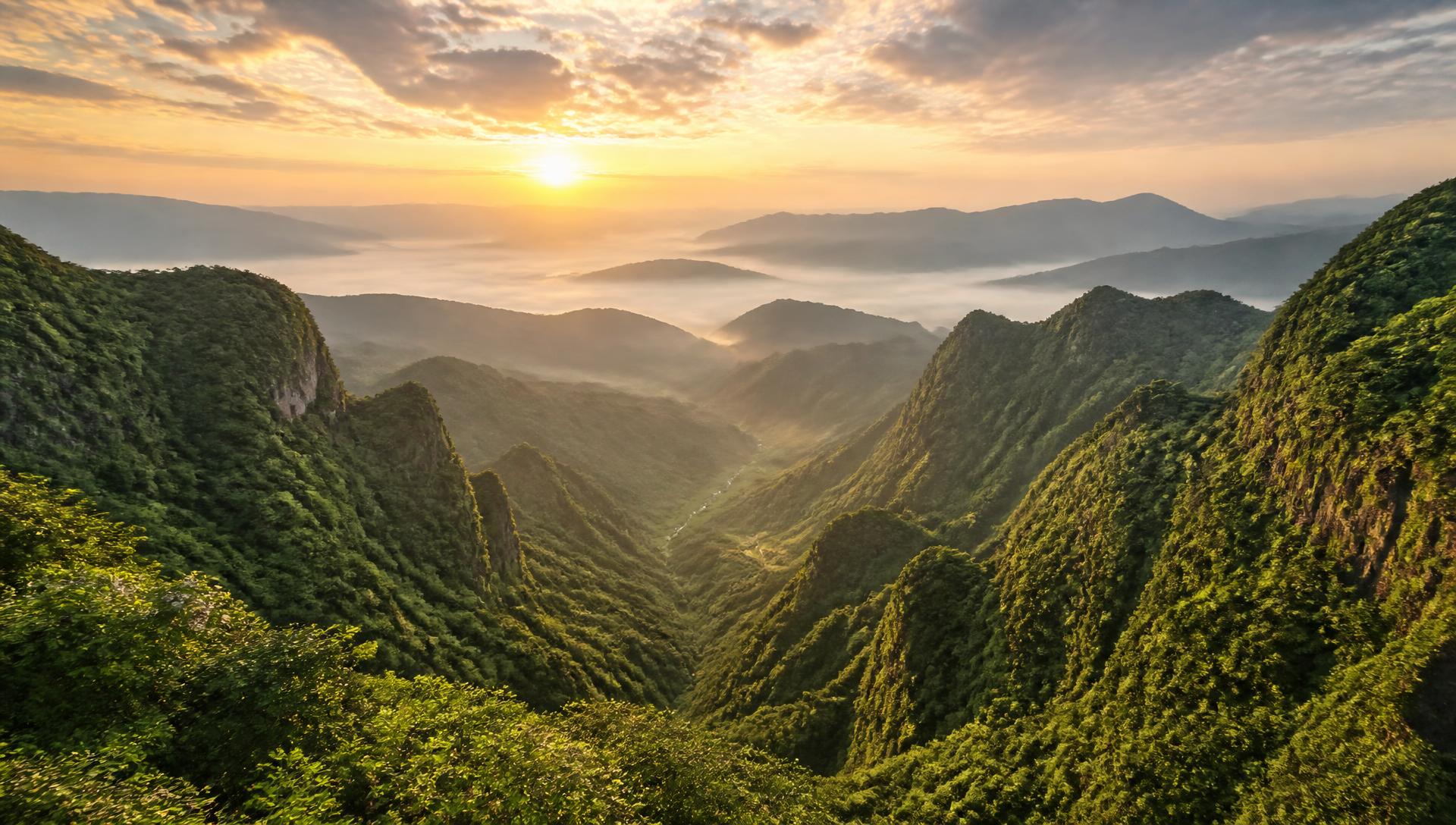
Independent editorial project
A space for anyone who enjoys discovering natural landscapes, outdoor destinations and places that spark curiosity. We gather information, stories and inspiration to help you get to know different natural environments.
Mountains, forests, inland waters, coasts and arid regions: five reads to understand what shapes each type of landscape.
From tundra to mangrove: ten types of natural landscape, what defines them, and what to look for in each one during a visit.
How mountains form, why vegetation changes with altitude, and what explains the variation in temperature and light in these environments.
Cliffs, dunes, sandbanks, and beaches in constant motion: how waves, tides, and wind redesign the coastline and what that means for visitors.
Natural Horizons content is organized into five thematic sections, all with published articles.
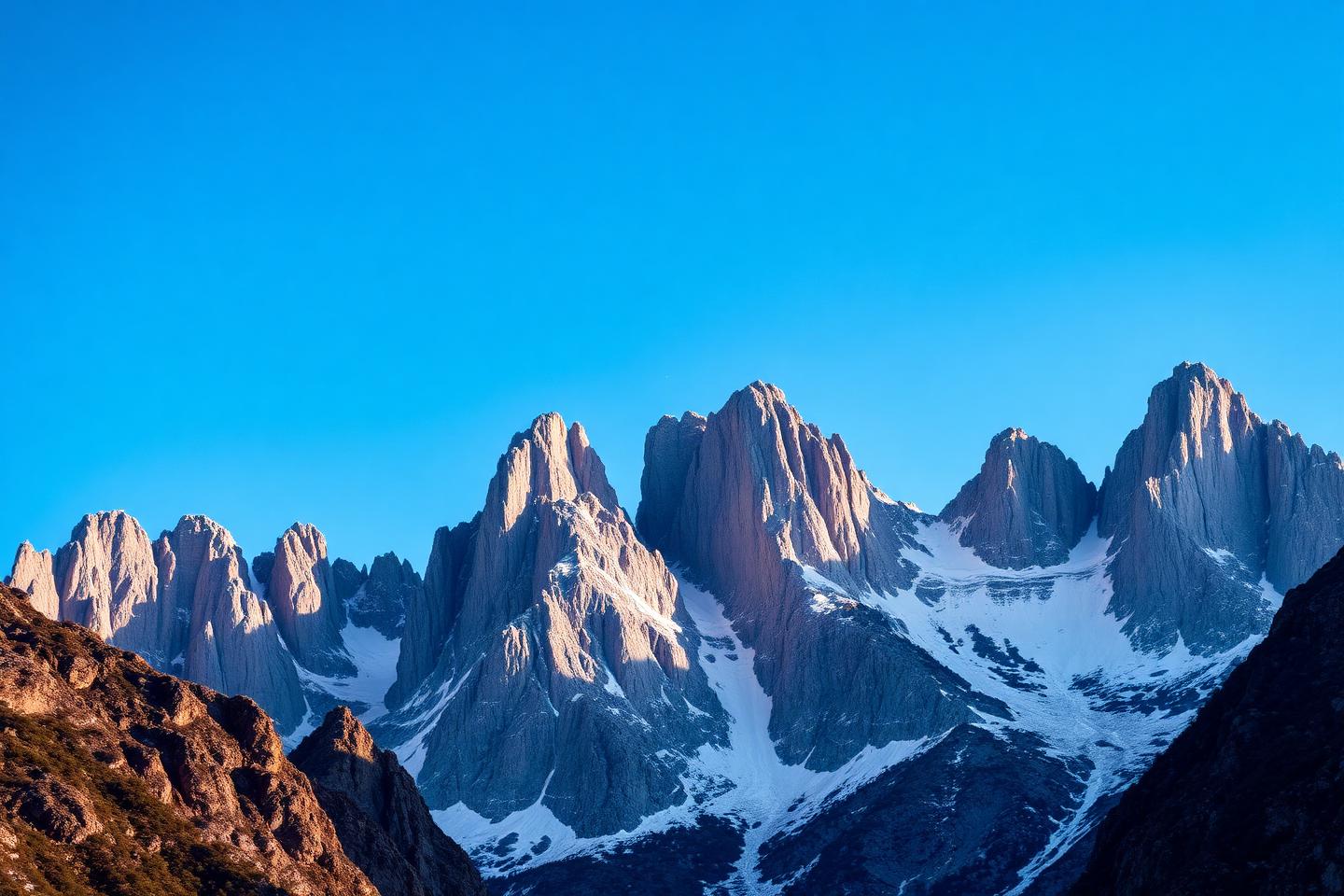
Readings about the major types of natural landscape, their characteristics, formations and what to look for in each environment.
5 article(s)
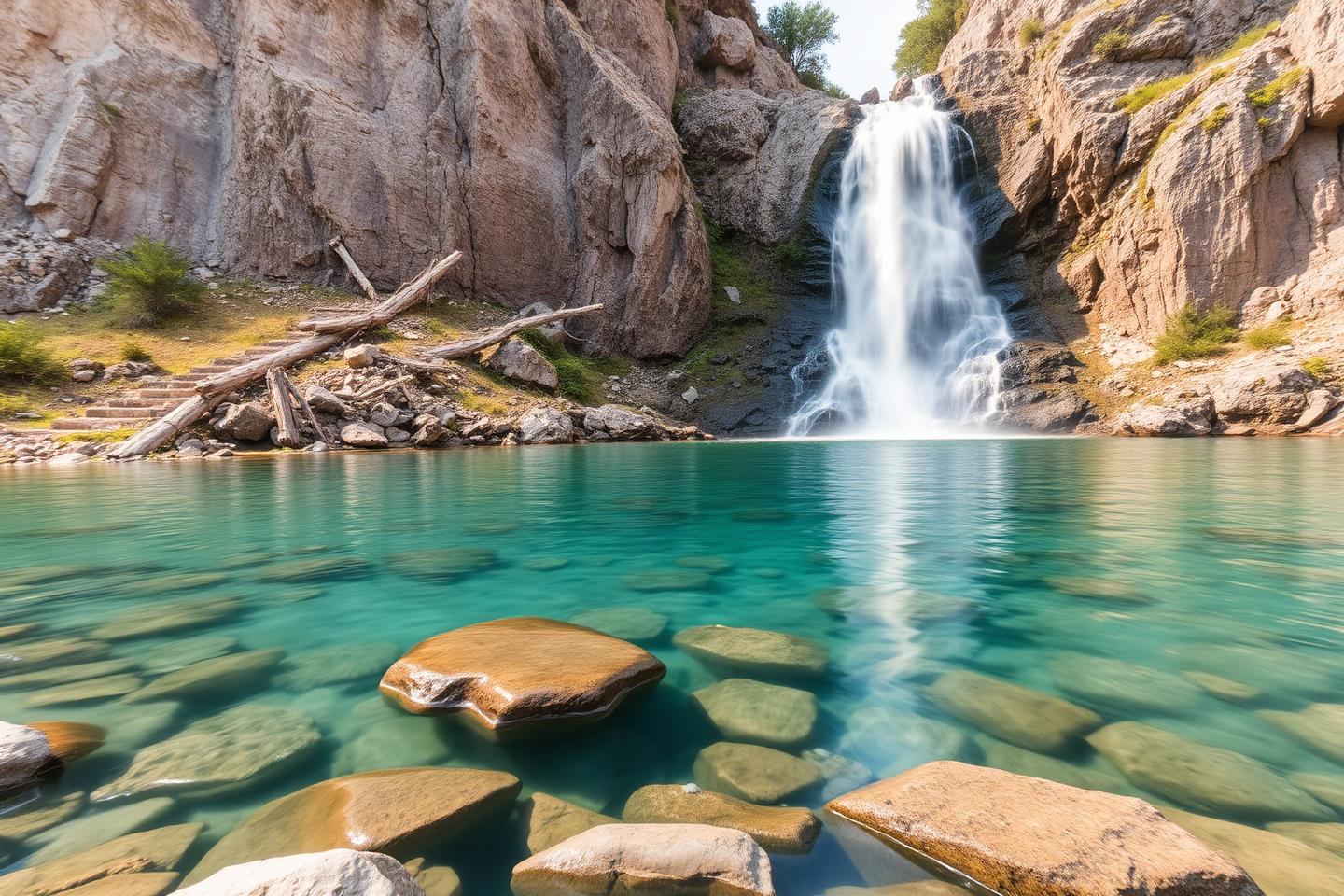
Practical criteria for choosing nature destinations, understanding the season, the level of available infrastructure and local visiting rules.
3 article(s)
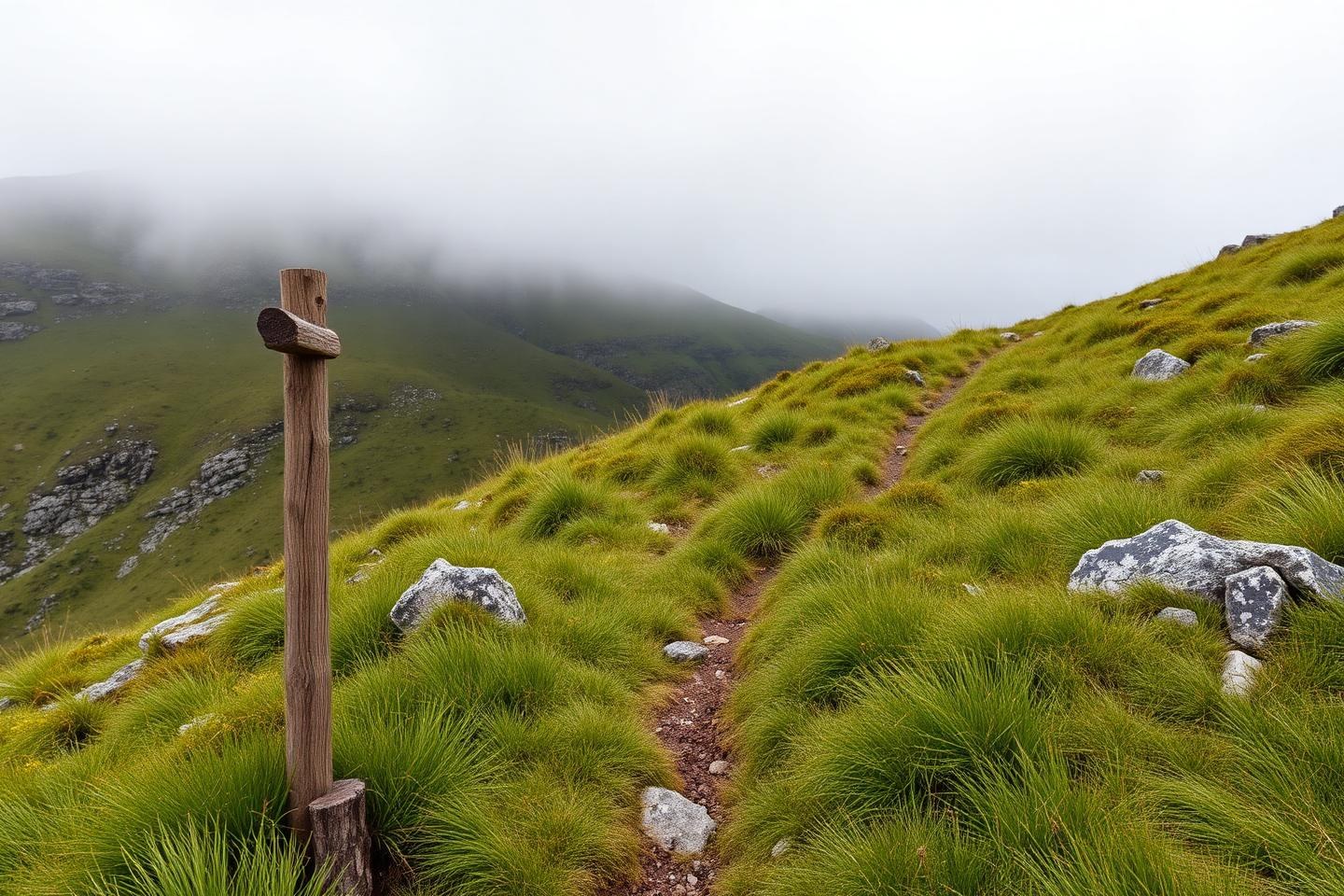
How to plan a hike, what to observe along the way and which precautions reduce impacts in natural areas.
3 article(s)
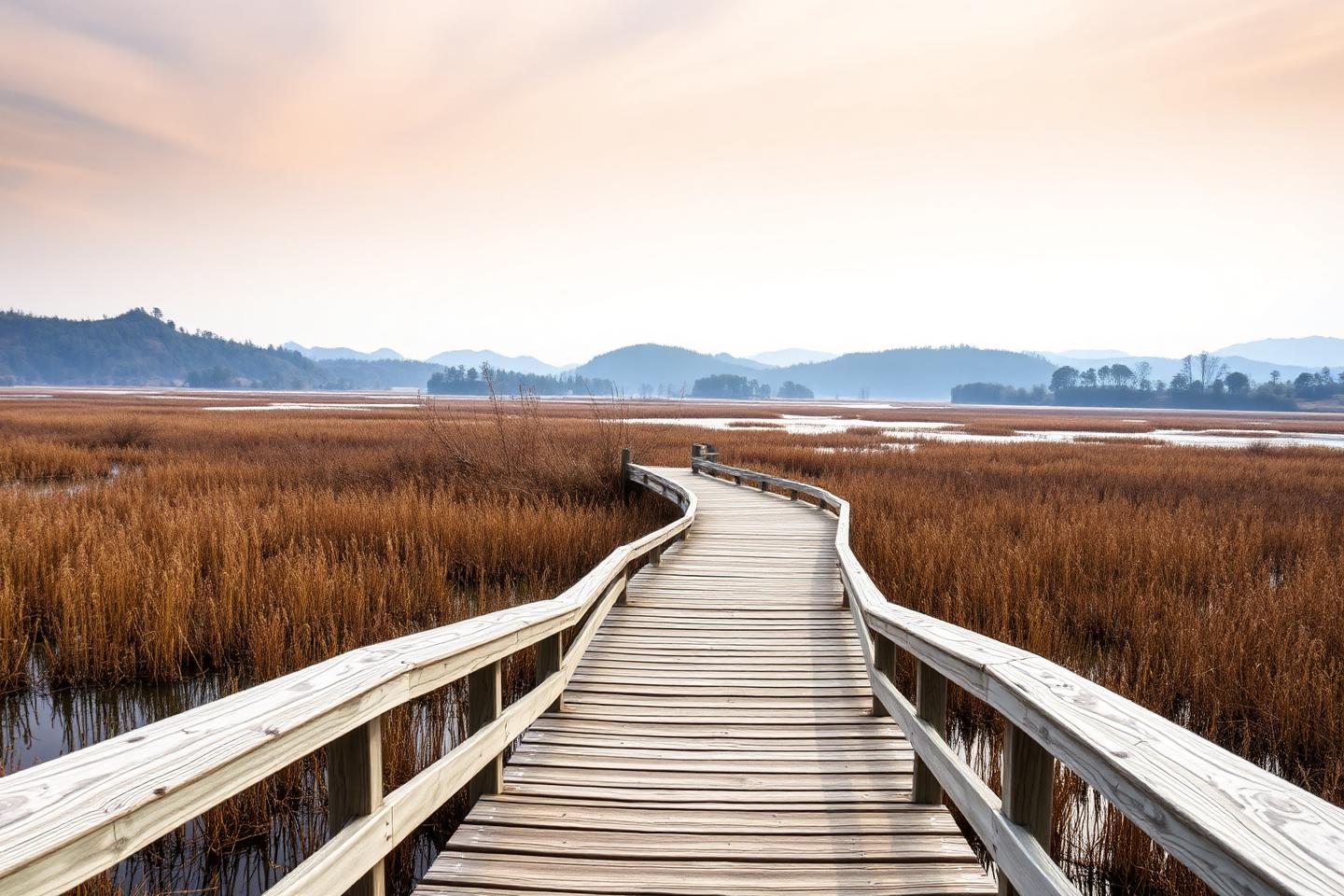
The role of protected areas in conserving biodiversity, how their use rules work and what to expect from a visit.
2 article(s)
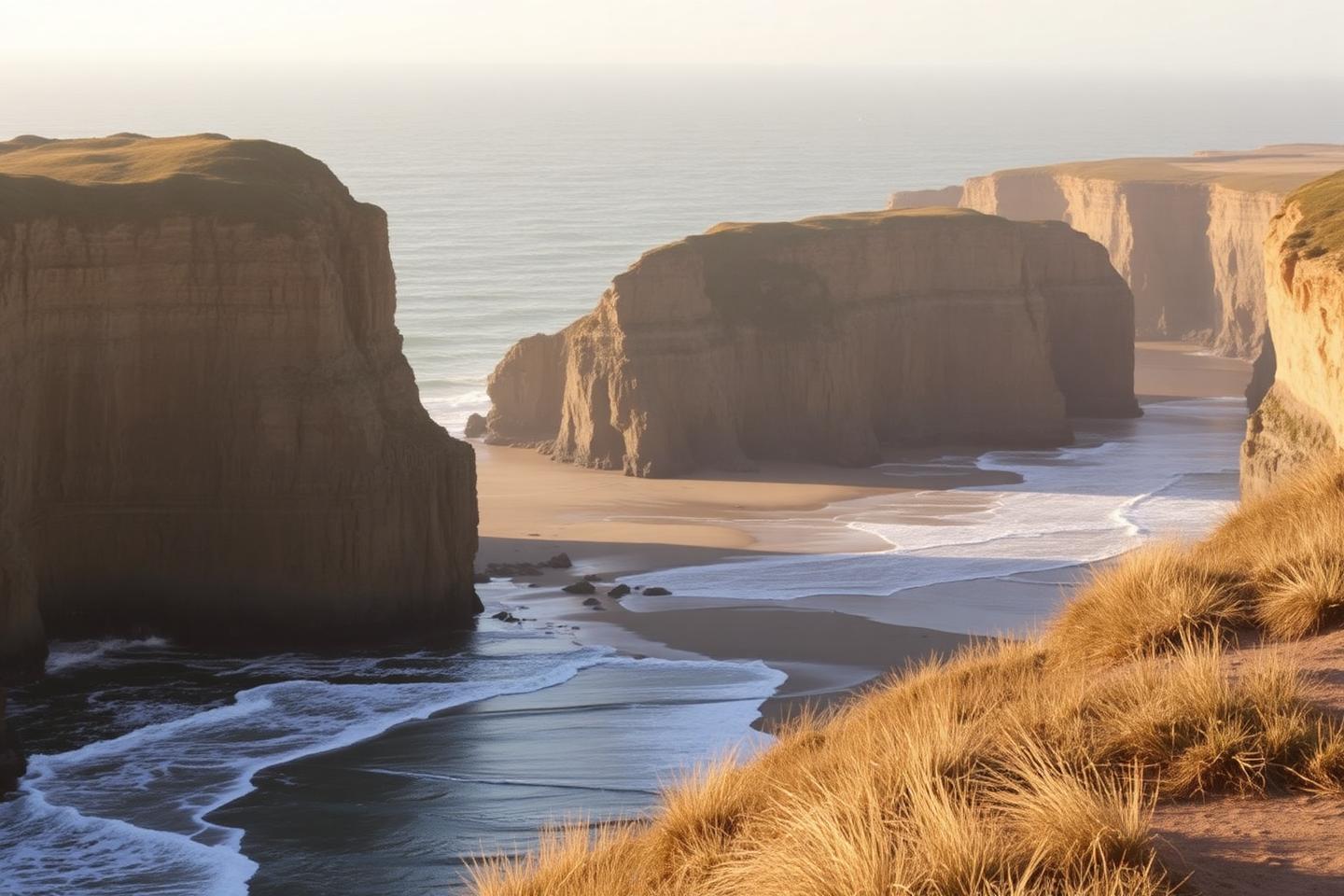
Ideas for observing landscapes more attentively, photographing with natural light and recording trips without leaving impacts.
2 article(s)
From tundra to mangrove: ten types of natural landscape, what defines them, and what to look for in each one during a visit.
Seven objective criteria — season, access, infrastructure, physical effort, local rules, budget, and time — for choosing a nature destination that suits you.
Vegetation, soil, water, sounds, and signs of wildlife: an observation guide for turning an ordinary hike into an attentive reading of the environment.
How mountains form, why vegetation changes with altitude, and what explains the variation in temperature and light in these environments.
Layered structure, the water cycle, soil, and fragmentation: why forests concentrate so much life and what threatens that balance.
Timing, light direction, composition, and field precautions for photographing landscapes using only natural lighting — including with a phone.
Natural Horizons exists to make nature easier to understand. Instead of quick lists, we publish texts that explain why a landscape has the shape it has, what to observe in the field and how to visit natural areas while reducing impact.
We are an independent editorial project. All content is produced by our editorial team, reviewed before publication and updated whenever new information justifies a correction. Whenever there is advertising, sponsorship or a commercial link, it will be clearly disclosed.
Get new stories and inspiration about natural landscapes straight to your inbox. Signing up is optional and you can unsubscribe anytime via the link in every email.
